How Candidate Experience Is Shaping Today’s Hiring Landscape
In today’s highly competitive job market, every touchpoint with a prospective hire counts. Candidates expect timely communication, transparent processes, and respect for their time and effort. As talent pools become increasingly competitive, organizations are prioritizing the candidate experience to maintain a strong employer brand and secure top talent. Recent candidate experience statistics 2023 reinforce how significantly a candidate’s perception of the recruitment process influences both hiring outcomes and broader business reputation.
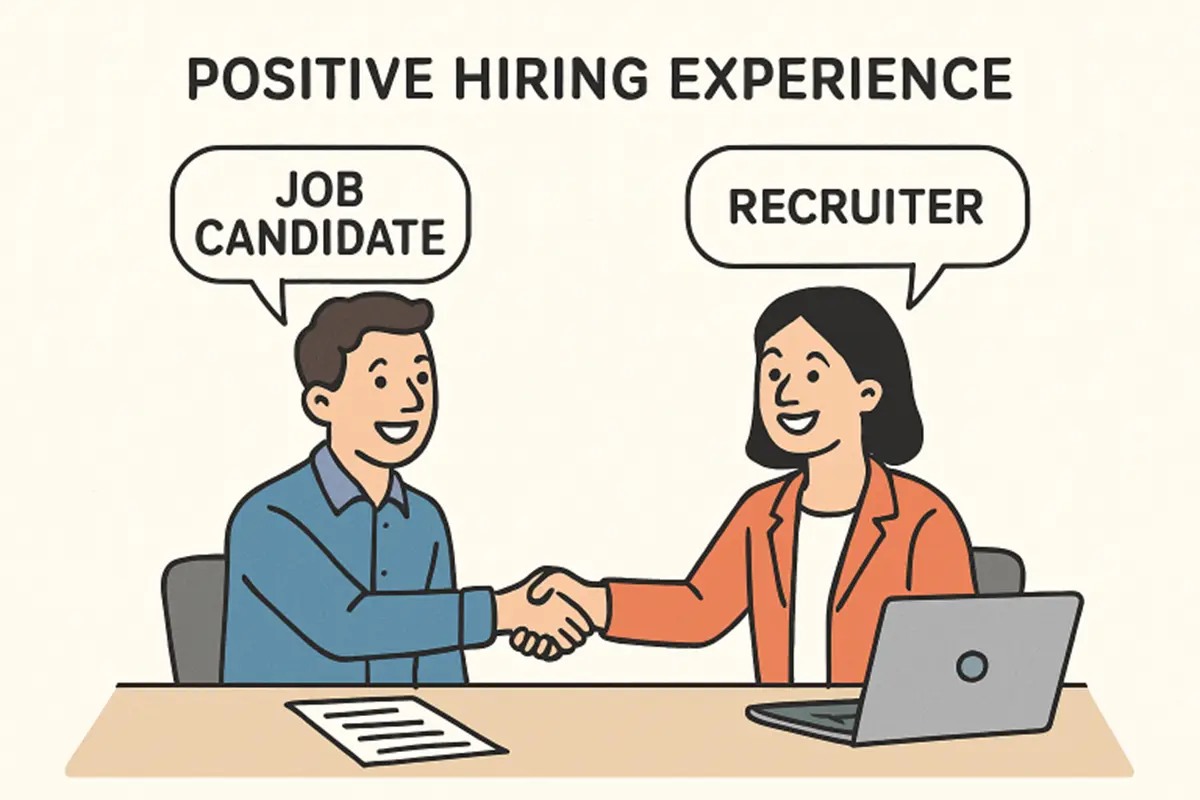
A seamless, considerate candidate experience can transform applicants into company advocates—even if they don’t receive an offer. On the other hand, a negative experience can dissuade qualified talent from pursuing future opportunities, and in some cases, they may even discourage others from applying. Companies are recognizing the importance of investing in each stage of the candidate journey as a strategic imperative, and the effects of these decisions are being measured far beyond the HR department.
Importance of Candidate Experience
Candidate experience has become a direct reflection of an organization’s values, culture, and the employee experience it promises to deliver. A positive candidate journey not only increases the likelihood that a finalist will accept an offer, but it also generates positive word of mouth and potentially attracts passive job seekers. According to a Greenhouse report, nearly 60% of job seekers have had a negative candidate experience, and many have shared it publicly or with their network, amplifying its potential impact.
By investing in candidate experience, organizations signal genuine care for each applicant, thereby strengthening their employer brand and creating a foundation of trust and goodwill. Candidates who feel valued are more likely to refer others, remain engaged through the process, and even consider future openings if not selected the first time around.
Common Challenges in the Hiring Process
Despite its importance, companies face numerous challenges when trying to deliver a stellar candidate experience. Communication lapses—such as silence between application submission and feedback—can leave candidates feeling overlooked. Lengthy, convoluted interview processes sap enthusiasm, while vague or unrealistic job descriptions contribute to candidate confusion and frustration. These missteps can lead not only to the loss of promising talent but also harm to the organization’s public image as negative experiences are shared on platforms like Glassdoor and Indeed.
Candidate expectations are continually rising, and organizations that fail to meet them may experience higher abandonment rates and struggle to attract top talent. Therefore, constantly reassessing and refining hiring best practices is critical to remaining competitive in today’s landscape.
Impact of Technology on Candidate Experience
Thonestology’s rise in recruitment has been both a remedy and a new source of challenges. Tools such as applicant tracking systems (ATS), AI-powered screening, and automated communications have made it easier for recruiters to manage large candidate pools efficiently. They reduce the manual workload, minimize delays, and help surface the best-fit applicants quickly. However, if not balanced carefully, these same technologies can introduce issues—removing the “human” from human resources and making the process feel transactional.
Candidates still crave personal engagement—meaningful interactions with recruiters, timely updates, and individualized attention can all make the difference between a neutral process and a memorable one. Companies must seek the optimal balance between technological efficiency and human empathy, ensuring that digital enhancements support rather than replace genuine connections. Leading organizations cited by Greenhouse have found success by integrating chatbots for basic queries while reserving critical touchpoints for real conversations.
Strategies to Enhance Candidate Experience
Proactive Communication and Clarity
Maintaining regular updates with candidates ensures they never feel “left in the dark.” Clear, concise job descriptions and transparency about the process set expectations upfront, reducing ambiguity. Feedback—whether they advance or not—should be prompt and thoughtful, demonstrating respect for the candidate’s time and effort.
Personalization and Streamlined Processes
From the initial job advertisement through to a final decision, treating each candidate as an individual is key. Personalized messaging, tailored interview experiences, and simple, mobile-friendly application processes all signal respect and appreciation. Reducing unnecessary steps and minimizing time-to-hire both boost satisfaction and safeguard against candidate drop-off.
Building Value Through Brand Advocacy
Incorporating touchpoints that showcase company culture, employee stories, and authentic testimonials creates a relatable, appealing image. Candidates want to envision their future at your company, and consistent, values-driven messaging throughout the recruitment process helps them do just that.
Measuring the Effectiveness of Candidate Experience Initiatives
Quantifying the success of candidate experience efforts requires a mix of qualitative and quantitative measures. Candidate surveys, conducted post-application or post-interview, capture direct feedback on what’s working and what needs improvement. Time-to-hire statistics help track efficiencies gained through process improvements, while offer acceptance rates reveal how compelling candidates found their interactions.
In addition, analyzing candidate drop-off rates at different stages of the funnel signals where to target improvements. Continuous improvement is vital; organizations that routinely assess and iterate their efforts stand to maximize both short-term hiring success and long-term brand value. Industry leaders also compare internal metrics against broader benchmarks—such as those published in Greenhouse reports—to set strategic goals and track progress over time.
Conclusion
Cultivating a positive candidate experience is no longer a “nice to have”—it is integral to winning and retaining the best talent in today’s hyper-competitive landscape. By addressing common pitfalls, leveraging technology judiciously, and committing to authentic and timely communication, organizations can refine their hiring processes to stand out. Companies with the strongest reputations for candidate care are well-positioned not only to fill immediate roles but to build lasting talent pipelines and employee advocacy for years to come.
Also Read-How a Master of Engineering Management Can Guide Future Tech Leaders
