
FHSA Carryforward Rules: What Happens If You Miss the Deadline?
Understanding FHSA Contribution Limits and Carryforward Provisions
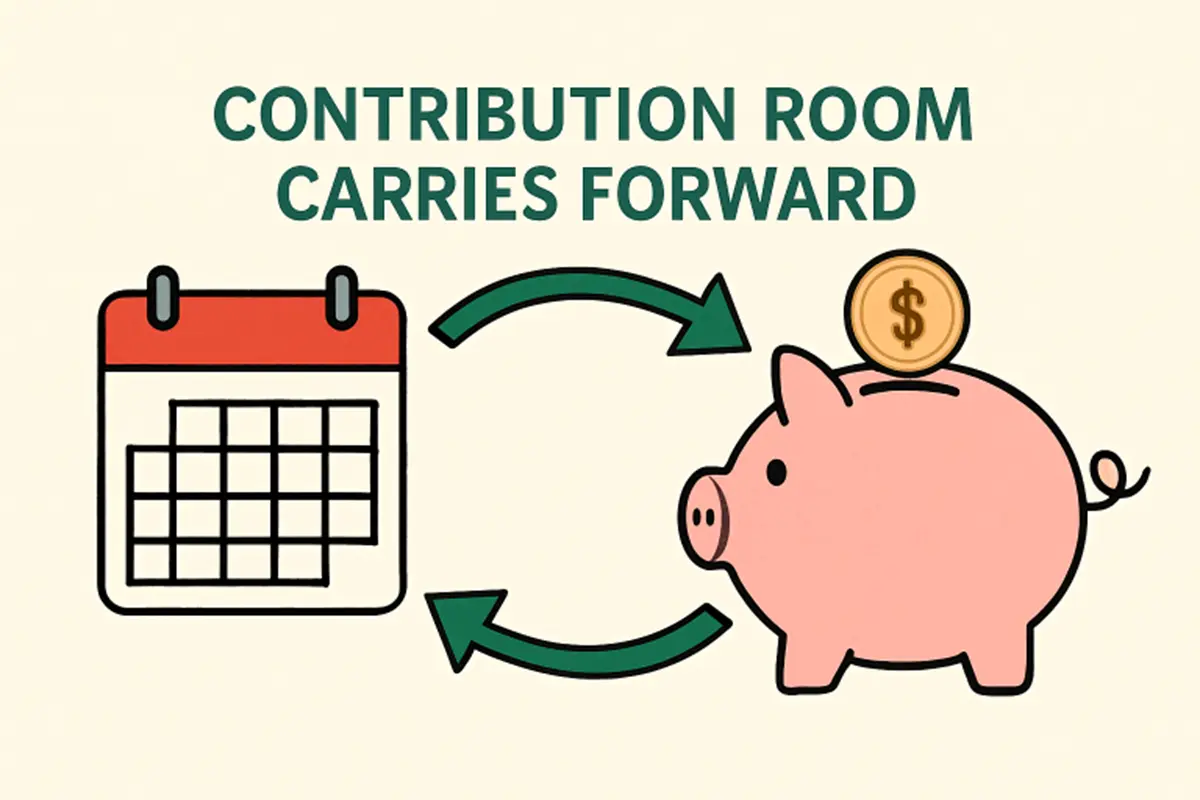
The First Home Savings Account (FHSA) gives eligible Canadians a powerful tool for accumulating tax-free savings toward their first home. Each year, account holders can contribute up to $8,000, with a total lifetime cap of $40,000. If you do not contribute the full annual amount, the unused contribution room carries forward, letting you catch up in future years. Understanding how to get the most out of your FHSA is essential for new buyers, especially since the rules differ significantly from those for other account types.
Many savers wonder what happens if they miss contributing the annual limit. Fortunately, FHSA rules allow you to roll forward any unused room, enabling long-term planning and helping you make up shortfalls in future years. That said, there are crucial limits, most importantly, the yearly $8,000 maximum still applies, even if you have accumulated carry-forward room.
Annual Contribution Room and Carryforward Mechanics
Your FHSA contribution room starts accruing once your account is open. For example, if you open an FHSA in 2025 and only add $2,000, you can pick up $6,000 in future years. In 2026, you would have that $6,000 plus your new $8,000 annual limit for a total of $14,000 in available room; however, you can only deposit up to $8,000. This annual cap remains in effect regardless of how much contribution room you have accumulated.
This technical detail is crucial when planning your home purchase timeline. If you miss contributions one year, you do not forfeit them, but you cannot make them up in a single lump sum beyond the annual max. Savers should take this into account when making long-term plans and balancing their FHSA with other savings needs.
In contrast to rigid account rules elsewhere, the FHSA’s flexibility can help you build a more consistent, realistic savings plan. Major finance publications like The Globe and Mail underscore the importance of these provisions for supporting younger Canadians on their path to homeownership.
Consequences of Missing Contribution Deadlines
Missing the deadline to contribute the maximum annual amount does not mean you lose your FHSA contribution room. However, this can have a cascading impact on your timeline to reach the full $40,000 lifetime maximum. Delaying contributions means you will have to wait longer to accumulate enough savings for a down payment, potentially missing opportunities to purchase sooner or benefit from growth on those funds.
In other words, the flexibility comes with a tradeoff. Carry-forward provisions prevent loss of room, but only active, strategic use of your FHSA allows you to harness compounding growth and reach the lifetime cap efficiently. This distinction is key for anyone working toward a specific home purchase goal.
Overcontribution Penalties
Closely monitoring your own contributions is critical. Exceeding the available FHSA contribution room results in a penalty tax of 1% per month for each month the overcontribution remains. This penalty applies until you remove the excess or more room becomes available with the new annual allotment. To correct an overage, the excess amount must be withdrawn using a designated process so it will not count as income or use future room.
This penalty system serves as a strong deterrent to overfunding. It is always best to verify your individual limits with the CRA before making large deposits, as the risk of ongoing monthly charges can quickly erode your savings.
Strategic Planning to Maximize FHSA Benefits
Open Early
Your FHSA contribution room begins to grow only after your account opens. The earlier you open your FHSA, the more opportunity you have to benefit from both annual contributions and compounding investment returns.
Make Consistent Contributions
Even if you are unable to hit the full $8,000 each year, regular deposits help ensure you utilize available room and benefit from tax deductions. Setting up automatic contributions or scheduling annual review dates can keep your savings on track.
Track Limits Strictly
Keeping careful records is vital since overcontributions can trigger monthly penalties. Consider logging your FHSA contributions alongside other registered account contributions for a holistic financial overview. For more details on tracking contribution limits, consult government resources or leading financial institutions such as RBC.
Comparing FHSA to Other Savings Accounts
One of the biggest advantages of the FHSA compared to certain American plans, such as Flexible Spending Accounts, is its approach to carry-forward. U.S. FSAs often feature “use it or lose it” rules that require funds to be spent annually, while Canada’s FHSA offers far more flexibility with unused room that can be rolled over. This makes it easier to accommodate changes in your financial situation or home-buying plans without a hard reset on your annual progress.
Canada’s TFSA and RRSP also play distinct roles in long-term financial strategy, but the FHSA is particularly tailored to first-time homebuyers through its specific limits and flexibility. Understanding these key differences lets savers choose the tools best suited to their goals and timelines.
Final Thoughts
A clear understanding and strategic use of FHSA carry-forward rules can provide future Canadian homebuyers with significant advantages. By opening accounts early, making regular contributions, and staying vigilant about annual and lifetime limits, you can fully leverage the tax benefits and steadily approach your first home purchase. When in doubt, always consult up-to-date financial advice and government guidance to make informed decisions that align with your long-term goals.
Also Read-How a Master of Engineering Management Can Guide Future Tech Leaders
