
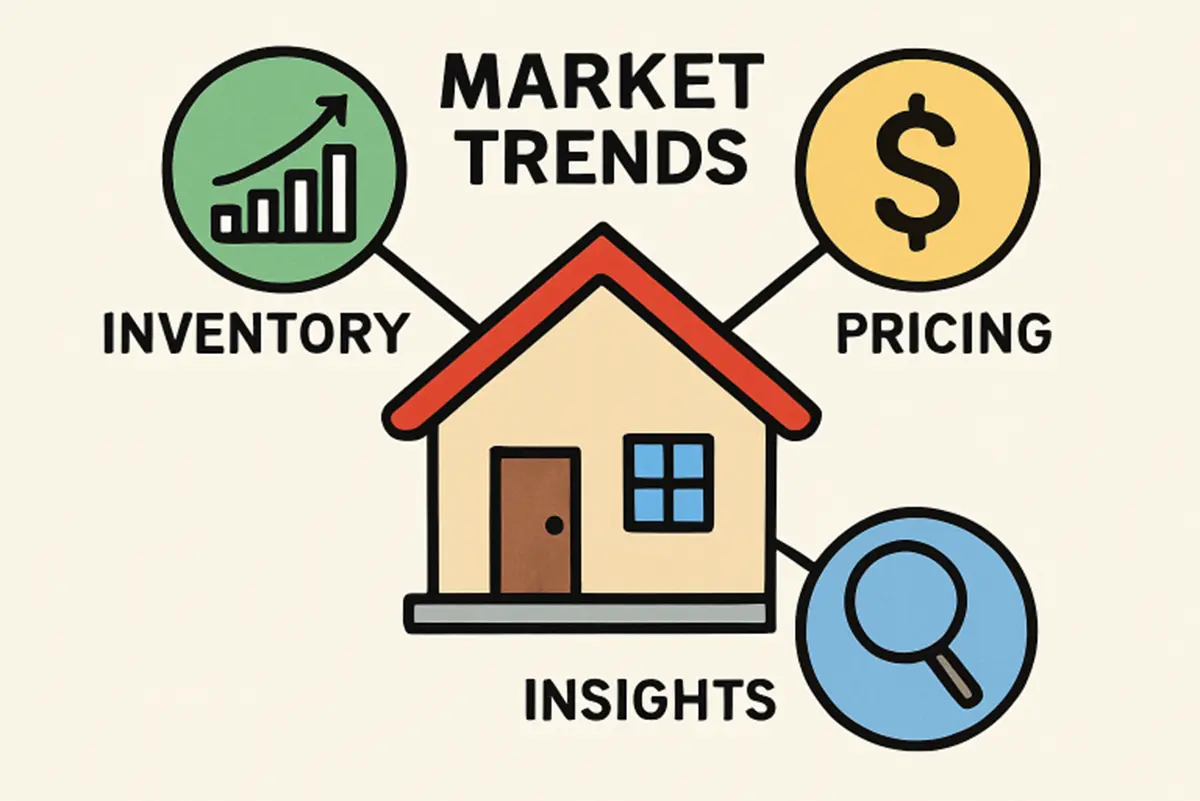
Understanding Market Insights for Savvy Home Buyers
Navigating the modern real estate market requires more than a keen sense for opportunity. It demands a solid understanding of emerging trends, economic factors, and local conditions that influence home values and buying power. As today’s housing market evolves, prospective buyers who embrace key insights gain significant advantages at every stage of the purchase process. Working with San Antonio TX real estate experts The Agency San Antonio can help buyers leverage these insights for a smoother and more strategic transaction.
Keeping up with market shifts, mortgage rate changes, and inventory trends is essential. Buyers can refine their search and negotiate confidently when aware of local conditions and economic developments. Staying educated helps time your purchase, maximize your investment, and avoid pitfalls. From tech tools to sustainability, informed buyers set up for long-term success. Market insights help distinguish between hype and opportunities. Analyzing data and expert opinions shows why some markets are better, others lag. Informed decisions help secure a home in desirable areas and build equity. Research, communication with seasoned agents, and openness to options like new construction keep buyers adaptable. Home shopping now is a data-driven process that rewards those exploring market factors.
Recognizing the Shift Towards Buyer’s Markets
The U.S. real estate landscape has seen a notable transition in several metropolitan areas, moving from seller-dominated markets to those increasingly favoring buyers. For instance, in cities like Denver and Nashville, inventory has climbed and days on market have lengthened, granting buyers more choices and bargaining power. This trend, highlighted in recent reports, reflects the broader effects of rising interest rates and evolving demographic patterns. Buyers in these regions can expect less competition and the possibility of negotiating on price and other terms.
The Impact of Inventory Levels on Home Prices
Inventory is one of the most significant variables affecting home values. When active listings rise sharply, buyers benefit from a wider selection and greater negotiating leverage, which often puts downward pressure on prices. According to the National Association of Realtors, the year-over-year increase in active home listings has reached 25 percent in some markets, helping stabilize prices. Conversely, tight inventory tends to drive prices higher, often resulting in bidding wars and limited negotiation. Staying up to date on inventory trends can help you identify the best time to enter the market and avoid overpaying.
Staying Informed About Mortgage Rate Trends
Mortgage rates dramatically affect both affordability and timing for homebuyers. As of 2025, average 30-year fixed rates have stabilized around 6.5 percent, offering a measure of predictability that was lacking in the previous years of volatility. This relative stability can prompt fence-sitting buyers to re-enter the market. Informed buyers should actively monitor rates and consider working with a lender to lock in favorable terms when opportunities arise. For up-to-date resources, visit J.P. Morgan’s housing market outlook.
Considering New Construction Homes
In regions where resale inventory remains tight, new construction homes present a compelling alternative. Builders seeking to move housing stock have introduced incentives such as interest rate buydowns or upgrades at no additional cost. According to Forbes, the national median price of new homes dropped more than 17 percent between October 2022 and 2023, making them increasingly accessible to buyers. Many new homes also feature energy-efficient features and modern layouts, attracting cost-conscious and eco-minded buyers alike. These properties can help bridge the gap for buyers struggling to compete for older, existing homes.
Leveraging Technology for Efficient Home Searches
The digital transformation of real estate has opened new doors for today’s buyers. Virtual tours, AI-powered listing recommendations, and online transaction tools now enable faster and more transparent searches. Buyers can filter properties more efficiently, narrow down choices, and even complete much of the buying process remotely. According to CNBC’s real estate technology coverage, these innovations save time, reduce costs, and minimize stress for both buyers and sellers. The key is to take advantage of platforms that offer comprehensive data and up-to-date information on available homes.
Prioritizing Sustainability and Energy Efficiency
Buyers are increasingly prioritizing homes that offer sustainable features. Solar panels, smart thermostats, and energy-efficient appliances are more than just buzzwords. They can generate significant long-term cost savings and boost property resale value. Studies published by the U.S. Department of Energy highlight that homes with these features consistently achieve higher market values and shorter sales cycles. Choosing a home with robust green credentials not only benefits the environment but also lowers monthly utility costs and future-proofs your investment as environmental standards shift.
Engaging with Local Experts for Personalized Insights
Relying solely on online research falls short compared to a trusted real estate agent’s local expertise. Experienced professionals offer insider knowledge about neighborhood trends, emerging areas, and unseen opportunities. Local agents understand key details about schools, amenities, zoning, and potential developments that affect property values. This partnership helps buyers avoid costly errors and make decisions aligned with their lifestyle and financial goals. With current insights and reliable advice, informed buyers can confidently navigate the market, leveraging trends to find the best deals.
Conclusion
Today’s housing market is shaped by shifting conditions, evolving buyer preferences, and greater access to information. Changes in inventory, stable mortgage rates, and new construction create opportunities for prepared, well-informed buyers. Advances in technology and sustainability influence how buyers search for homes and assess long-term value. By monitoring market indicators, exploring options, and seeking local expertise, buyers can confidently navigate the market. Understanding trends leads to smarter timing, negotiation, and decisions. Success depends on awareness, flexibility, and strategy to find a home meeting current needs and future goals.
Also Read
