
How Often Should You Consider Re-Roofing Your Home?
Understanding Roof Lifespans
Homeowners frequently ask how often they should re-roof their homes. Your roof protects your family and plays a major role in your home’s curb appeal and value. Understanding the typical lifespan of your specific roofing material is the first step in making informed decisions about when re-roofing is necessary. For detailed guidance and professional re-roofing services, visit https://www.deltaservices.com/re-roof/.
Roofing materials can vary widely in durability. Asphalt shingles, among the most common, have a life expectancy of 15 to 30 years. Wood shingles or shakes can last between 20 and 40 years, while metal roofing may protect your home for 40 to 70 years. Clay and concrete tiles are extremely durable, often performing well for over 50 years. If your home features slate roofing, you can expect it to last 75 years or even longer. It’s important to remember these are general guidelines, and individual roof longevity depends on climate, quality of installation, and ongoing maintenance.
Signs It’s Time to Re-Roof
Even if your roof hasn’t reached the end of its expected lifespan, certain warning signs should prompt you to consider a replacement. Frequent leaks after storms are a major red flag, often indicating that underlying materials are compromised. Similarly, if you notice curling, cracking, or missing shingles, these are classic indicators of aging or damaged roofing. Granule loss, signaled by shingle granules accumulating in your gutters, suggests significant wear. Moreover, discolored attic decking can reveal moisture issues that may impact your home’s structure.
Early detection can help you avoid larger, costlier repairs down the road. That’s why regularly observing the condition of your roof and attic is essential to avoid severe damage.
Importance of Regular Inspections
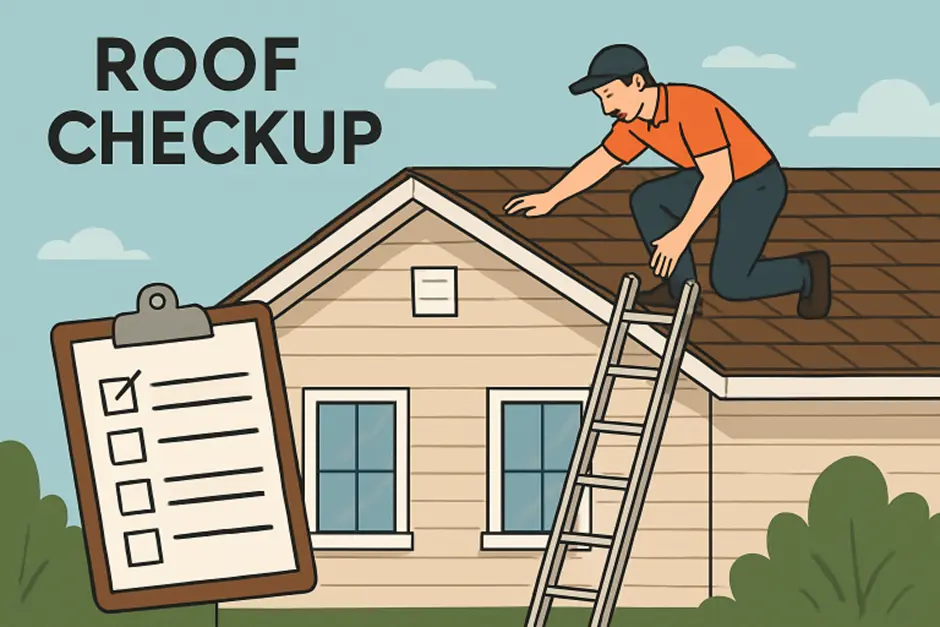
While some signs are obvious, many roofing issues go unnoticed until emergencies occur. Regular, professional roof inspections are crucial; experts recommend at least one annual inspection and additional checks after major weather events. An inspection can uncover hidden problems such as slow leaks, compromised flashing, or weak spots that might escape casual observation. Early intervention from these inspections can extend the life of your roof and save you money over time.
Inspection Best Practices
In addition to yearly check-ups, preventative maintenance is critical. Clear debris from gutters and downspouts to prevent water buildup. Watch for broken or slipped shingles after storms, and address any moss or algae growth, as it can degrade roofing materials if left unattended. Proactive care is the foundation for maximizing your roof’s years of service.
Factors Influencing Roof Longevity
Several external and internal factors can either shorten or extend the lifespan of your roof. Local climate plays a significant role—homes in areas prone to hurricanes, hail, or heavy snow may require roofing updates sooner than those in more temperate zones. Ongoing maintenance is also key: prompt repairs and regular cleaning can prevent minor problems from escalating.
Equally important is the quality of the original installation. Properly installed roofs last longer, perform better, and have fewer issues throughout their lifespan. That’s why choosing experienced, reputable contractors is often a wise investment. The National Roofing Contractors Association offers helpful insights on ensuring quality materials and workmanship.
Benefits of Timely Re-Roofing
Replacing your roof before it fails outright comes with substantial benefits. A new roof can significantly improve your home’s energy efficiency by improving insulation and ventilation, leading to lower heating and cooling costs year-round. Timely re-roofing also enhances safety, protecting your property’s structure from water damage and mold growth resulting from prolonged leaks.
Additionally, a new roof can boost your home’s curb appeal and increase resale value—potential buyers often see a new roof as a strong selling point due to the decreased likelihood of future repair expenses. Proactive investments now can lead to substantial financial and practical benefits later.
Choosing the Right Time for Re-Roofing
Timing your re-roofing project is crucial. Many homeowners find fall ideal for roof replacement: moderate temperatures create optimal conditions for roofing materials to seal and set properly. It’s also smart to plan and book roofing services well before the busy season. This way, you avoid delays and ensure top-quality workmanship for your home.
Final Thoughts
Maintaining the health of your roof is a cornerstone of responsible homeownership. Understanding roofing lifespans, recognizing warning signs, scheduling regular inspections, and acting proactively protects your investment and your family’s well-being. When the time comes to re-roof, thoughtful timing and expert guidance ensure that your home remains comfortable, safe, and attractive for years.
Also Read-Enhancing Solar Power System Efficiency: Proven Strategies
