
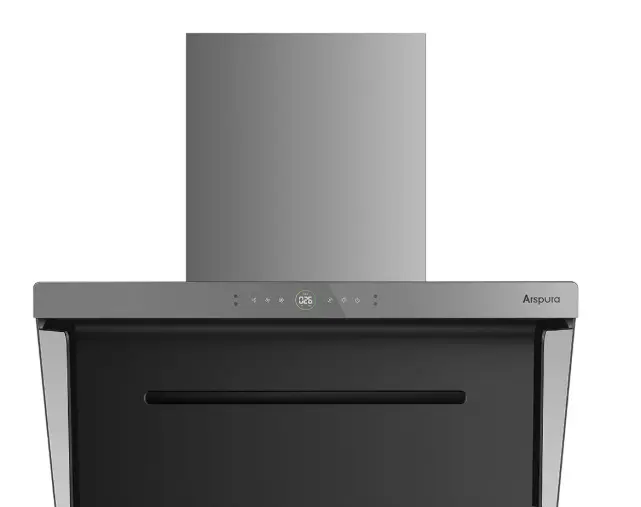
How to Select the Perfect Range Hood for Your Kitchen
Choosing the right range hood for your kitchen is far more than a simple appliance decision—it’s a critical choice that affects both the functionality and visual appeal of one of your home’s most important spaces. A well-selected range hood efficiently removes cooking odors, smoke, grease, and excess heat while serving as a striking design element that can elevate your entire kitchen aesthetic. Whether you’re renovating an existing kitchen or designing a new one from scratch, the range hood you choose will influence air quality, cooking comfort, and the overall ambiance of the space.
With countless styles, sizes, and ventilation capacities available in today’s market, finding the perfect range hood can feel overwhelming. However, understanding the key factors that matter most—from ventilation power and installation requirements to design compatibility and maintenance needs—will help you make an informed decision. This guide walks you through everything you need to know to select a range hood that not only performs exceptionally but also complements your kitchen’s unique character and meets your specific cooking needs.
Understanding the Importance of Range Hoods
Range hoods serve as essential workhorses in modern kitchens, performing functions that extend far beyond simple decoration. Every time you cook, your kitchen fills with airborne grease particles, water vapor, combustion byproducts, and lingering food odors that can permeate fabrics, walls, and adjacent rooms. A properly functioning range hood captures these contaminants at their source, preventing them from settling on surfaces or degrading indoor air quality. This protection becomes especially critical when cooking with high heat or preparing aromatic dishes that would otherwise leave lasting smells throughout your home.
Beyond air purification, range hoods contribute significantly to kitchen comfort and safety. They remove excess heat generated during cooking, making the space more pleasant during meal preparation and reducing strain on your air conditioning system. The ventilation they provide also helps prevent moisture buildup that can lead to mold growth or damage to cabinetry and paint. For homes with gas cooktops, range hoods play a vital safety role by exhausting carbon monoxide and nitrogen dioxide produced during combustion. The right range hood transforms your kitchen from a space where cooking creates problems into an environment where you can prepare meals comfortably, safely, and without compromise to your home’s cleanliness or air quality.
Key Factors to Consider When Selecting a Range Hood
When evaluating range hoods, three fundamental factors should guide your decision-making process. Kitchen aesthetics demand careful consideration of how the hood integrates with your cabinetry, countertops, and overall design theme—whether you prefer a sleek modern statement piece or a hood that blends seamlessly into surrounding elements. Ventilation efficiency requires matching the hood’s CFM (cubic feet per minute) rating to your cooking habits and cooktop size, with higher output needed for frequent high-heat cooking or professional-grade ranges. Hood design encompasses both form and function, from wall-mounted canopy styles that make bold visual statements to low-profile under-cabinet models that maximize space in compact kitchens, and island hoods that serve as dramatic centerpieces. Each design type offers distinct advantages depending on your cooktop location and kitchen layout, making it essential to balance practical ventilation needs with the aesthetic impact you want to achieve in your cooking space.
Customizing Your Range Hood to Fit Your Kitchen
Customizing your range hood begins with understanding your kitchen’s architectural character and design language. For contemporary kitchens with clean lines and minimalist sensibilities, consider stainless steel canopy hoods or glass panel designs that emphasize geometric simplicity and industrial elegance. Traditional kitchens benefit from wood-paneled hoods or decorative range mantels that echo the warmth of surrounding cabinetry, while transitional spaces allow for creative blending—perhaps a streamlined hood body finished with decorative molding or corbels that bridge modern and classic elements. Color coordination matters significantly; while stainless steel remains versatile across styles, custom-painted hoods in colors matching your cabinetry create seamless integration, and bold contrasting finishes transform the hood into an intentional focal point.
Size customization extends beyond simply matching cooktop width—the hood should typically extend three to six inches beyond each side of your cooking surface for optimal capture efficiency. Ceiling height influences hood depth and chimney length, with taller spaces accommodating more dramatic vertical designs. Material choices affect both appearance and maintenance requirements; copper develops attractive patina over time, powder-coated finishes offer color versatility with durability, and specialty materials like stone or tile can be incorporated into custom surrounds. Consider practical customizations such as integrated lighting that illuminates your cooking surface, adjustable chimney sections that accommodate various ceiling heights, and decorative elements like straps, rivets, or trim pieces that personalize the hood’s appearance. Home supply retailers like Arspura offer various range hood accessories and customization options that can help you achieve the exact look and functionality you envision. The most successful customization balances visual harmony with your kitchen’s existing elements while ensuring the hood’s proportions feel appropriate to the space rather than overwhelming or underwhelming the room’s scale.
Installation Tips and Best Practices
Proper range hood installation begins with accurate measurements and understanding your ventilation options. Before purchasing, determine whether ducted or ductless installation suits your situation—ducted systems vent directly outside through walls or roofs, providing superior performance, while ductless models recirculate filtered air when exterior venting proves impractical. For ducted installations, plan the shortest, straightest duct path possible, as every bend and foot of ductwork reduces efficiency. Use rigid metal ducting rather than flexible materials, which create airflow resistance and collect grease more readily. The duct diameter should match your hood’s outlet size, typically six inches for most residential models, and exterior termination requires a proper wall or roof cap with a damper to prevent backdrafts.
Mounting height significantly affects performance and usability. Position the hood between 24 and 30 inches above electric cooktops, or 26 to 32 inches above gas ranges—closer placement improves capture but risks heat damage to the unit, while excessive height allows contaminants to escape before capture. Ensure adequate structural support, as range hoods can weigh 50 pounds or more before accounting for mounting hardware and ducting. Wall studs provide ideal anchor points for wall-mounted units, while island installations require ceiling joists or additional blocking installed during construction. Electrical requirements vary by model, with most needing dedicated 120-volt circuits; verify local building codes regarding GFCI protection and hire licensed electricians for hardwired installations. Before finalizing installation, test the system at various fan speeds, check for air leaks around duct connections using smoke or tissue paper, and verify that exterior dampers open freely during operation and close completely when the fan stops.
Air Speed and Its Impact on Performance
Air speed, measured in cubic feet per minute (CFM), determines how effectively your range hood captures and removes cooking byproducts before they disperse throughout your kitchen. This measurement indicates the volume of air the hood can move, with higher CFM ratings providing greater extraction power for demanding cooking scenarios. Professional chefs and those who frequently use high-heat cooking methods typically require hoods rated at 600 CFM or higher, while moderate home cooking generally performs well with 300-400 CFM. The calculation becomes more precise when you consider BTU output—gas ranges producing over 60,000 BTUs need approximately one CFM for every 100 BTUs to maintain effective ventilation, ensuring combustion gases and intense heat dissipate properly.
However, raw CFM numbers don’t tell the complete performance story. Duct length, bends, and exterior conditions create resistance that reduces actual airflow compared to manufacturer specifications. A hood rated at 600 CFM might deliver only 400 CFM after accounting for a lengthy duct run with multiple turns. To measure real-world performance, observe how quickly steam and smoke clear during cooking at various fan speeds—effective hoods should capture visible contaminants within seconds of generation. Sound levels also correlate with air speed, as higher CFM settings typically produce more noise measured in sones. Balancing adequate ventilation power with acceptable noise levels means selecting a hood with sufficient capacity to operate effectively at mid-range speeds rather than constantly running at maximum, ensuring both performance and comfort during everyday cooking activities.
Making the Right Range Hood Choice for Your Kitchen
Selecting the perfect range hood for your kitchen requires balancing multiple considerations that work together to create both a functional and visually appealing space. From understanding the critical role range hoods play in maintaining air quality and kitchen comfort to evaluating key factors like ventilation capacity, design compatibility, and installation requirements, each decision point contributes to the overall success of your choice. Customizing your hood to complement your kitchen’s aesthetic while ensuring adequate CFM ratings for your cooking style transforms this appliance from a mere necessity into an integrated design element that enhances your culinary environment. Proper installation following best practices maximizes performance and longevity, while understanding air speed dynamics helps you select a hood that operates efficiently without excessive noise. By carefully considering these interconnected factors and prioritizing both practical ventilation needs and design harmony, you’ll invest in a range hood that serves your kitchen well for years to come, protecting your home’s air quality while contributing meaningfully to the space where you create meals and memories.
Also Read–Revolving vs. Non-Revolving Business Loan Line of Credit: Key Differences
