
How Wholesale Can Shape Future Retail Trends
The wholesale industry sits at the intersection of innovation and tradition, serving as both a backbone for large-scale retail operations and a springboard for emerging trends in consumer markets. As retailers and end customers alike look for greater value, efficiency, and ethical transparency, wholesalers are poised to play a pivotal role. With digital disruption accelerating and businesses seeking flexibility, opportunities abound for those willing to adapt—including those looking to buy pallets of merchandise and capitalize on new channels.
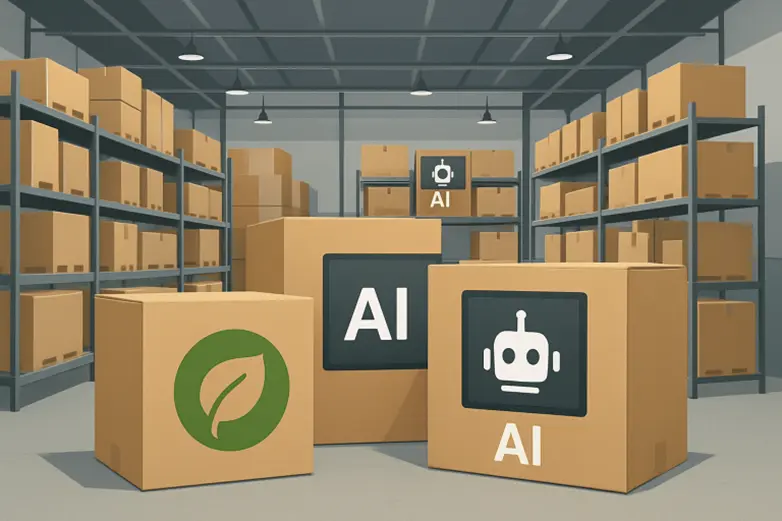
The future of retail is being shaped by how wholesalers adapt to changing technologies and consumer expectations. By leveraging advancements such as Artificial Intelligence, sustainable sourcing, and direct-to-consumer approaches, they are setting powerful new standards across the industry. These shifts are not only driving efficiencies but also enabling businesses to differentiate themselves in a crowded market where transparency and environmental stewardship are crucial.
Many consumers are now making decisions with sustainability and ethical sourcing high on their agendas, nudging wholesalers and retailers to incorporate these priorities into their core operations. Technological integration is accelerating this transformation, ushering in a new era of retail responsiveness and innovation. This evolving landscape is forcing businesses to reassess their approach to everything from logistics to customer engagement.
As the boundaries between wholesale and e-commerce blur, savvy wholesalers are leveraging digital capabilities to gain competitive advantages. This fusion supports omnichannel retail models, fast fulfillment, and personalized shopping experiences that today’s shoppers demand.
AI Integration in Wholesale
Artificial Intelligence (AI) has rapidly become an operational game-changer in the wholesale sector. By harnessing predictive analytics, wholesalers can more accurately forecast product demand, minimizing both stockouts and overstock situations. Automated inventory management powered by AI not only streamlines supply chains but also enables data-driven pricing models that can dynamically respond to market fluctuations.
One of AI’s standout contributions is the deployment of sophisticated chatbots and conversational commerce tools. These technologies allow wholesalers to connect with customers around the clock, provide tailored product recommendations, and optimize the sales process. The deployment of AI across warehousing processes—such as automated picking, smart routing, and real-time inventory updates—further reduces costs and improves fulfillment speeds, transforming customer satisfaction and supply chain responsiveness.
Sustainable Practices in Wholesale
The drive for sustainability is impacting wholesale operations at every level. From manufacturing to packaging and transportation, businesses are reassessing their environmental footprint. Many wholesalers now prioritize eco-friendly products, adopt biodegradable or recycled packaging, and seek relationships with green-certified suppliers. The numbers underscore the trend: Sustainable products have experienced a growth rate nearly three times higher than their conventional counterparts, revealing a marked consumer preference.
Reducing waste, conserving resources, and improving the traceability of materials have become central themes. Wholesale companies implementing these initiatives often see long-term savings and bolster their brand reputation, particularly among environmentally conscious partners and consumers. The effort toward sustainability is also increasingly driven by regulations and retailer requirements, pushing wholesalers to adopt greener operations at scale.
E-commerce and Wholesale Synergy
The digital revolution has broken down barriers between wholesale and direct retail, with technology platforms enabling wholesalers to reach end customers and other businesses easily. The adoption of omnichannel e-commerce systems allows wholesalers to create seamless, integrated experiences where products can be bought online and delivered to a variety of locations—including stores, warehouses, or directly to consumers.
Platforms that provide real-time inventory visibility, personalized pricing, and easy integration with retail storefronts have become key competitive differentiators. Wholesale businesses investing in digital transformation can quickly adapt to fluctuations in demand, expand into new markets, and build loyalty through more direct and convenient sales channels. Leveraging e-commerce is crucial for wholesalers hoping to thrive in the modern retail ecosystem.
Direct-to-Consumer Strategies
Embracing direct-to-consumer (DTC) models allows wholesalers to bypass traditional retail intermediaries and connect directly with buyers. Robust online platforms and digital marketing tools enable this shift. By leveraging DTC, wholesalers gain greater control over their branding and can establish personalized relationships with customers, gathering actionable insights from each transaction.
DTC is not just about cost savings—it also means wholesalers can quickly test new products, respond to feedback, and adapt to market trends in real-time. Many traditional wholesalers, once reliant on bulk sales to retailers, are now building their own consumer-facing online storefronts and experiential showrooms to foster deeper engagement and loyalty.
Supply Chain Transparency
Increased demands from consumers for ethical sourcing, quality assurance, and traceability have made supply chain transparency a cornerstone of future-proof wholesale operations. Modern wholesalers use sophisticated tracking technologies and documentation systems to provide visibility across every step of the supply chain. This includes sharing information on sourcing practices, labor conditions, and environmental impact.
Transparency initiatives can help businesses establish trust, meet regulatory requirements, and mitigate risks associated with product recalls or supply chain disruptions. True supply chain visibility fosters accountability, drives improvements in social responsibility, and enables retailers to offer explicit, verified claims to increasingly discerning consumers.
Energy Efficiency in Warehousing
Warehousing and logistics use a lot of energy, making efficiency vital for economic and environmental reasons. Solar power, LED lighting, and advanced climate control help reduce costs and emissions. Smart management systems monitor and optimize energy use, finding more savings. Investing in energy-efficient infrastructure positions companies as sustainable leaders and offers operational benefits like lower bills and better supply chain resilience. With rising energy costs and stricter regulations, energy efficiency will be key to competitiveness.
Conclusion
The wholesale industry continues to shape the trajectory of retail by embracing technology and prioritizing sustainable, transparent operations. As pressure mounts for efficiency and ethical responsibility, wholesalers are rising to the challenge, pioneering solutions that influence trends across the wider retail ecosystem. Those that successfully integrate AI, sustainability, e-commerce, and transparency into their operations will not just survive but lead the retail transformation toward a more adaptive and responsible future.
Also Read-How a Master of Engineering Management Can Guide Future Tech Leaders
