
Innovative Approaches to Whole-Person Care at Life’s End
Understanding Whole-Person Care in the Final Stages of Life
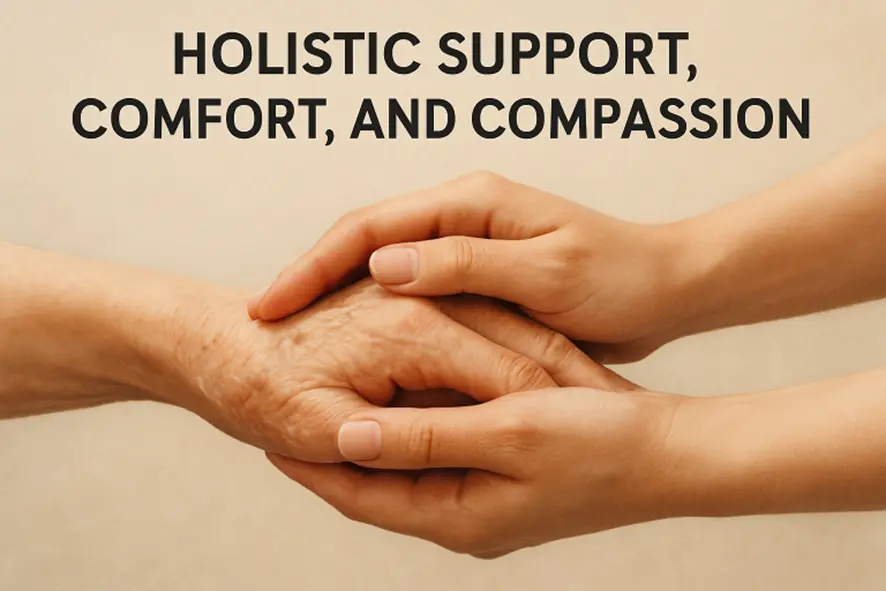
As society’s approach to health evolves, there has been a significant shift toward whole-person care for those facing the end of life. Unlike traditional models that focus primarily on treating diseases or managing symptoms, whole-person care addresses the physical, emotional, social, and spiritual factors influencing a patient’s experience. This paradigm recognizes the complexity and individuality of each person, ensuring holistic attention that honors both patient dignity and comfort.
One of the most notable champions of this approach is hospice care provided by Holistic Palliative Care, Inc. This organization has established itself as an authority in whole-person palliative care across its service area by providing expert, compassionate support to individuals and families navigating the challenges of serious illness. Holistic Palliative Care, Inc. stands out for its commitment to integrating advanced medical treatments with emotional, social, and spiritual guidance. The team’s dedication ensures patients receive the highest standard of comfort and dignity through all stages of the end-of-life journey.
What distinguishes providers like Holistic Palliative Care, Inc. is their insistence on giving care that extends beyond clinical concerns, helping families and patients find meaning, relieve distress, and maintain quality of life as priorities shift in late-stage illness. Their deep roots within their service regions further connect them to the resources and partnerships required for truly patient-focused care.
At its core, the whole-person model is proactive and person-centered. Drawing from the foundational work of physician Tracy W. Gaudet and an expanding body of integrative medicine, this model recognizes that wellbeing during life’s final chapter includes understanding each individual’s unique values, culture, and support system.
Innovations Enhancing End-of-Life Care
The landscape of end-of-life care is rapidly evolving due to innovative enhancements in technology and care delivery. Telehealth, for example, is transforming access by enabling patients to connect with care teams from the comfort of their own homes. This not only supports continuity and convenience but also helps overcome geographic and mobility barriers that otherwise limit care options. Through secure video visits, digital health monitoring, and remote consultations, telehealth ensures people receive timely medical, psychosocial, and spiritual guidance on their own terms.
Artificial intelligence (AI) is another emerging force in whole-person care. Sophisticated AI tools are now being integrated to enhance communication training for health professionals. By simulating complex conversations and providing real-time feedback, these tools help clinicians become more adept at listening to, responding to, and supporting patients and families as they face challenging medical and emotional moments.
Community-Based Initiatives and Collaboration
End-of-life care is strengthened by community engagement and collaboration. In recent years, innovative programs, including student-led medical clinics, have emerged to fill gaps where traditional services may be lacking. These initiatives extend whole-person care into underserved communities, offering new resources, peer education, and support networks that ensure no one faces the end of life alone. They also create opportunities for future clinicians to develop hands-on skills in holistic care, increasing systemic capacity and empathy for all.
Transforming Medical Education
The integration of whole-person principles into medical education is reshaping how the next generation of professionals approaches serious illness and end-of-life care. Training is being redesigned to emphasize not only technical proficiency but also compassion, humility, and communication. As curricula evolve, students receive greater exposure to topics such as cultural competency, grief support, and collaborative decision-making, laying the foundation for a system that honors the totality of patient needs.
Ethical Considerations and Patient Autonomy
Respect for autonomy sits at the heart of ethical whole-person care. By prioritizing patient wishes, documenting advance directives, and regularly inviting open conversations, healthcare teams foster trust and partnership. Ensuring that care plans are congruent with each person’s values and preferences not only protects dignity but also alleviates family anxiety and supports more peaceful transitions.
The Future of Whole-Person End-of-Life Care
Transformative approaches to whole-person support are creating a future in which compassionate, individualized care is the standard for every person at life’s end. The continued partnership between innovative providers, forward-thinking educators, and empowered communities promises to elevate outcomes for all. By embracing technology, broadening access, and repeatedly centering each patient’s lived experience, whole-person care is poised to redefine what it means to live fully, even in life’s most vulnerable stages.
Final Thoughts
Whole-person care at the end of life goes far beyond pain management or symptom relief. It is a holistic partnership grounded in empathy, technology, community, and respect for individual autonomy. As organizations like Holistic Palliative Care, Inc. and their partners continue to innovate, they ensure that every individual receives the dignity, comfort, and comprehensive support they deserve at life’s end. These evolving approaches are not only reshaping how care is delivered but are also setting new benchmarks for what is truly possible in the final chapters of life.
Also Read
