
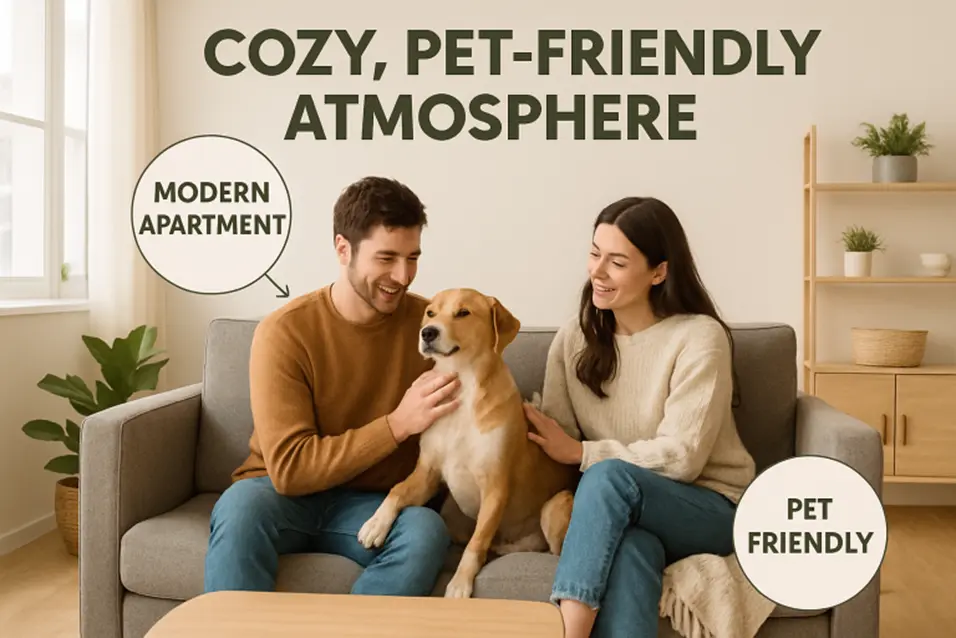
Pet-Friendly Apartment Market Trends for 2026
Introduction
The rental landscape is transforming as more tenants prioritize pet-friendly housing. With increased pet ownership among renters, both tenants and property owners must closely monitor how this shift affects the rental market. For renters searching for a welcoming environment in Southern California, pet friendly apartments in Mission Valley exemplify the modern ideal of pet-inclusive living. The upcoming years signal an era in which pet-friendly features are no longer a perk but a fundamental requirement for rental properties. This evolving preference is creating new opportunities and challenges that industry stakeholders should navigate proactively.
Understanding how the pet-friendly apartment market is changing is essential—especially with shifting demographics and increasing demand for amenities that cater to pet owners. By examining market trends, landlord benefits, and modern amenities, property owners and renters alike can make informed decisions as we look towards 2026.
Rising Pet Ownership Among Renters
America’s love affair with pets is growing rapidly. In 2025, data showed that 58% of renters reported owning at least one pet, a significant jump from just 46% in 2019, according to the American Pet Products Association. This surge reflects a broader trend: younger generations, especially Millennials and Gen Z, are delaying homeownership but remain equally committed to their pets’ well-being. The trend reinforces the necessity for apartments that are not only tolerant but genuinely welcoming of pets in all shapes and sizes. The market is responding to this surge, but the supply of truly inclusive housing has not kept pace, leaving renters who view their pets as part of the family frustrated.
Benefits of Pet-Friendly Policies for Landlords
For landlords, offering pet-friendly housing isn’t merely a gesture of goodwill—it’s a strategic move. Listings that allow pets are frequently leased eight days faster than non-pet-friendly options and receive 9% more views, 12% more saves, and 11% more shares. The appeal is clear: Pet owners are willing to pay more and stay longer, reducing turnover and vacancy rates.
Challenges in Finding Truly Pet-Inclusive Housing
Despite the proliferation of rental listings claiming to be “pet-friendly,” the reality for many renters can be quite different. While 79% of properties state they accept pets, fewer than 10% offer housing without significant breed or size restrictions. Some properties impose additional fees or require renters’ insurance for pet ownership, while others may limit the number or types of pets allowed on the premises. This discrepancy reveals an essential gap between perception and practice, often complicating the apartment search for pet owners.
Furthermore, restrictive and inconsistent pet policies across properties can create barriers, making it harder for responsible pet owners to secure quality housing.
Economic Advantages of Pet-Inclusive Housing
Pet-friendly properties boast substantial economic advantages. A 2025 industry report found that such properties achieve 7–10% higher occupancy rates, and tenants with pets tend to stay longer than those without. This extended residency reduces turnover costs, and pet-friendly units also tend to attract a broader pool of applicants, giving landlords more flexibility in selecting well-qualified tenants. As the rental market continues to evolve, these financial advantages make pet-inclusive policies an increasingly strategic choice for long-term property growth.
Emerging Trends in Pet Amenities
Pet-Centric Features in Modern Apartment Communities
The expectation for pet amenities is rapidly evolving. Many new and renovated apartment communities now feature on-site pet-washing stations, dedicated dog parks, and grooming lounges, making daily pet care more convenient for busy renters. These amenities help create a sense of community among pet owners and further differentiate properties in highly competitive rental markets. In cities where green space is limited, thoughtful pet-centric amenities can be a deciding factor for tenants choosing between similar listings.
Enhanced Design and Community Awareness
Forward-thinking developments are also incorporating robust soundproofing, durable flooring, and even pet-friendly landscaping to ensure that apartments remain pristine and enjoyable for everyone. These considerations reflect the recognition that pets significantly influence renters’ housing decisions and satisfaction.
Legal Considerations and Emotional Support Animals
Landlords must remain vigilant about legal requirements and evolving regulations—especially when it comes to emotional support animals (ESAs). Under federal law, particularly the Fair Housing Act (FHA), housing providers must make reasonable accommodations for tenants who have documented ESAs, even if a property has a strict “no pets” policy. This means landlords cannot charge pet fees, impose breed restrictions, or deny housing solely because an ESA lives with the tenant. As ESA-related inquiries continue to rise, property owners are dedicating more time to training staff, reviewing policy language, and implementing consistent evaluation procedures to avoid both legal pitfalls and unintentional discrimination.
Understanding the differences between pets, service animals, and emotional support animals is essential for property managers who want to stay compliant. Pets are companion animals without legal protections, while service animals are trained to perform specific tasks for individuals with disabilities and fall under the Americans with Disabilities Act (ADA). ESAs, meanwhile, require documentation from a licensed mental health professional stating that the animal provides therapeutic benefits. Because these categories come with distinct rights and responsibilities, misinterpreting them can lead to tenant disputes or costly fair housing violations. Many property teams now rely on standardized forms and internal training to navigate these distinctions smoothly.
For more detailed guidance, the U.S. Department of Housing and Urban Development (HUD) provides comprehensive resources on how housing providers should evaluate ESA requests and provide appropriate accommodations. HUD outlines best practices for verifying documentation, responding to tenants in a timely manner, and ensuring that policies do not unintentionally discriminate. As more renters rely on ESAs for mental and emotional support, landlords who follow HUD recommendations are better positioned to maintain compliance while creating a respectful, inclusive living environment. Staying informed not only protects landlords from legal complications but also strengthens trust between tenants and management teams.
Conclusion
As we approach 2026, the demand for pet-inclusive housing is stronger than ever, driven by record-high pet ownership among apartment renters. More tenants now view pets as family members, and they actively seek communities that recognize that bond. Properties that take this shift seriously—providing well-designed amenities, transparent policies, and thoughtful accommodations—are increasingly attracting long-term, high-quality residents in competitive rental markets.
Beyond attracting new tenants, pet-friendly practices significantly enhance satisfaction and retention. When renters feel their pets are welcome and safe, they are more likely to renew leases and engage positively with their community. Amenities such as dog parks, pet-washing stations, walking trails, or even simple conveniences like waste stations can elevate the entire living experience. Landlords who invest in these offerings often see measurable returns through improved occupancy rates and a stronger community reputation.
Ultimately, embracing pet inclusivity is more than a marketing trend—it reflects changing lifestyles and evolving expectations within the rental ecosystem. By aligning policies with legal standards, prioritizing fair treatment, and fostering an environment that accommodates both people and animals, property owners can stay ahead of market demand. As renter demographics continue to shift, those who adapt will not only remain competitive but will also support the growing number of individuals who view their pets as essential and cherished parts of their daily lives.
Also Read-Trends in Immersive VR Seating Technology for Arcades and Centers
