
Visualization Techniques for Pirots 5 Slot Employed by UK
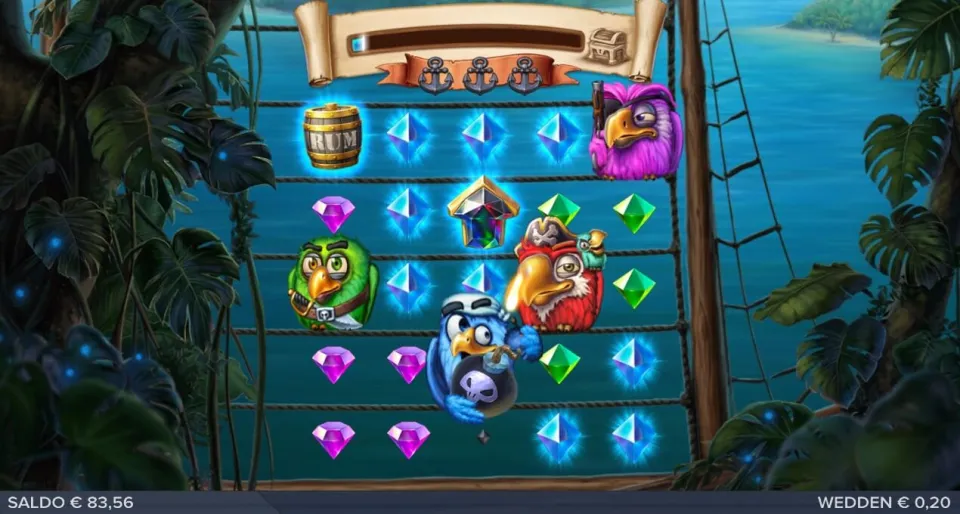
Over years of playing online slots, I’ve found that one tool regularly sets apart casual dabblers from serious players: visualization. Games like Pirots 5 Slot run on Random Number Generators, of course. But the mental discipline of visualization influences how you tackle the game, your concentration, and the way you regulate your feelings. I’m not implying you can think your way to a jackpot. I’m discussing training your mind to spot patterns, manage your bankroll carefully, and simulate successful play in your head. This guide walks through nine specific visualization methods, honed by players who regularly engage with Pirots 5 Slot. You’ll discover how to create a mental system that boosts discipline, improves observation, and leads to more thoughtful and fun gameplay.

Comprehending the Power of Cognitive Visualization in Slot Play
Firstly, let’s explain mental imagery for slots. It’s the intentional habit of forming psychological scenes and stories about your gameplay. For Pirots 5 Slot, that might involve visualizing the reel grid, the audio of a win, or the process of establishing a loss limit. The brain science is persuasive. When you picture an action vividly, you stimulate many of the same neural circuits employed during the real thing. This mental rehearsal fosters comfort and lowers anxiety. I utilize it to draft a “blueprint” for my session before I log in. I imagine myself turning the reels calmly, acknowledging small wins without fuss, and stopping when I planned to stop. This pre-game programming prepares my brain for disciplined play. That shift transforms gameplay from a knee-jerk reaction into something conscious and preventive.
Pre-Game Imagery: Setting Intentions
This method is the bedrock of my practice. I never launch a game without it. I devote a few quiet minutes, shut my eyes, and take deep breaths to get focused. Then I vividly imagine entering the Pirots 5 Slot lobby. I envision myself selecting my bet size, not haphazardly, but as a conscious selection based on my bankroll for the day. I internally declare my session goals. These are never focused on winning a set figure. They’re more like “explore the bonus mechanics” or “engage for twenty minutes to decompress.” I picture hitting the spin button with a sense of purpose, not tension. This ritual performs two roles. It solidifies my intentions, which aids in curbing impulsive urges. It also creates a tranquil, concentrated mood that I take into the actual game, decreasing my inclination to chase losses or get carried away.
Imagining the Game Environment
A key part of my pre-session routine is constructing the game’s environment in my head. For Pirots 5 Slot, I imagine the layout: the five reels, the assorted symbols, where the spin and autoplay buttons sit. I recall the color scheme and the little animations. This isn’t pointless daydreaming. It’s a cognitive warm-up. By rendering my brain acquainted with the interface ahead of time, I lessen the mental effort necessary once I’m live. That liberates my attention to look for patterns and actually enjoy the game, instead of just figuring out where to click. The transition into real play feels seamless, putting me in a state of relaxed readiness. That’s the optimal mindset for taking clear decisions on a volatile slot.
Imagining Budget and Loss Limits
Here, things get tangible. I envision my session bankroll as a physical stack of chips or a specific number on screen. In my mind’s eye, I observe this amount shift as I make bets. Most importantly, I picture my stopping point. I see myself hitting my loss limit, experiencing resolve rather than discouraged, and closing the game window without commotion. I even picture what comes next: preparing a coffee, browsing a news article. This mental movie of disciplined stopping is a game-changer. It frames stopping as a standard aspect of the plan, not a private setback. When the actual time arrives, my brain acknowledges it as the scene I prepared, which makes executing the plan much simpler. This method has saved me from the verge of more “just one more spin” decisions than I can count.
Visualizing the “Big Win” Scenario Without Attachment
This technique is subtle but vital. I allow myself permission to picture landing a major reward or grand prize on Pirots 5 Slot in complete clarity—the blinking reels, the triumph music, the rising credit total. Here’s the crucial part: I carry this out while intentionally detaching from the outcome. I observe the exciting thought emerge, then allow it to float away like passing weather. I engage in this to drain the strong emotional charge that accompanies the *idea* of a enormous win. By consistently revisiting this scene in my imagination without allowing it to hijack my reactions, I deprive it of its compulsive force. When a respectable win genuinely happens, I’m more prepared to manage it calmly. This prevents “big win fever,” where players often wager their profits back instantly, because the sensation feels less like a startling surprise and more like a welcome but managed event.
Feelings Management Through Guided Imagery
Reel games can take you on an emotional ride. My primary tool for staying steady is guided imagery embedded within gameplay. When annoyance bubbles up after a series of dead spins on Pirots 5 Slot, I don’t ignore it. I take a short break and visualize that annoyance as a physical object—a hot stone, for instance. I picture myself letting it fall into a cool stream. If I feel over-excited after a win, I envision placing that energy in a vault and locking the door. These swift, internal visual metaphors build distance between the feeling and my next move. They create a pause that stops tilt-driven choices. This practice cultivates emotional durability, ensuring the session fun and my decisions rooted in the rational part of my mind.
Real-time Visualization for Trend Recognition
Once the session begins, my visualization shifts from preparation to active observation https://pirots5casino.uk/. I understand every spin on Pirots 5 Slot is independent. But human brains are programmed to seek patterns. I use visualization to deliberately monitor the game’s flow. For example, I might mentally note when high-value symbols cluster close together, even if they don’t complete a payline. I visualize the timing between bonus triggers over a block of spins. The goal isn’t prediction. It’s about keeping engaged and alert. I build a mental chart of the session’s volatility, imagining the highs and lows. This practice maintains me analytically present, transforming passive viewing into active tracking. It helps me develop a feel for the game’s rhythm, which can guide my instinct on when to make small bet adjustments (always within my pre-set rules) or when to just unwind and watch.
Following the Session Analysis Through Psychological Review
My session doesn’t conclude when I close the game. I spend a minute on a post-session mental review. I psychologically revisit key points: Did I adhere to my planned bet sizes? What was my emotional response during a losing sequence? Did I honor my stop limit? I picture these moments without self-criticism, just reviewing my own behaviors as if studying game footage. This mental check strengthens good habits and identifies soft areas for next time. Maybe I realize I started too fast; next session, I’ll picture taking a slower, deeper breath first. This technique guarantees every session gives me something, win or loss. It strengthens my mental structure and establishes a continuous loop of preparing, executing, and refining.
Creating a Sustained Visualization Practice
Visualization is a skill. Its biggest payoffs come with regular practice. I’ve integrated it into my daily life, not just my gaming time. This strengthens the neural “muscle” so it works seamlessly when I need it. For a few minutes each day, I do general visualization exercises—imagining a walk in the woods in detail, for example. This sharpens my specific Pirots 5 Slot visualizations, making them more rapid and more automatic. I also keep a brief mental log, recalling one disciplined action from my last session. Over weeks and months, this forms a solid mental architecture for responsible play. The routine becomes a ritual that tells my brain it’s time to enter a attentive, disciplined mode. Consistency turns these techniques from conscious effort into intuition, embedding a model of controlled, intentional play deep within my approach to any slot.
Integrating All Senses in Your Session
Strong visualization involves more than vision; it’s a multi-sensory experience. When I get ready for a round, I engage all five senses in my mental pictures. For Pirots 5 Slot, I picture the exact click of the spin control, the characteristic musical notes, the sight flash of a winning combination. I might even evoke the tactile feeling of my seat or the weight of my equipment. This rich, multi-sensory mental framework builds a more robust, more absorbing memory template. When I step into the actual round, the real sensory stimuli feels familiar and less daunting. This enhanced practice makes my visualization more powerful for fostering calm and attention. It roots me in the present instance of the experience, diminishing the risk I’ll drift into a unfocused, “zoned-out” state where autoplay runs on auto and mindfulness fades.
Tailoring Approaches for Different Game Features
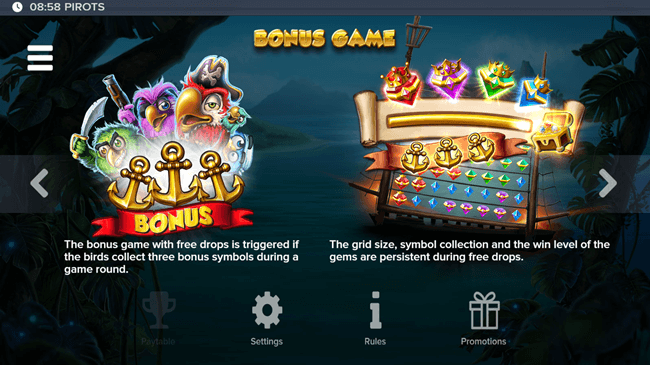
My last piece of advice is to adapt your mindset for certain game situations. Before activating a bonus round in Pirots 5 Slot, I’ll conduct a mental rehearsal: I see the bonus screen loading, I imagine myself watching the free spins or bonus game unfold without strong anticipation, and I prepare mentally for any interactive options it calls for. This stops the impulsive, chaotic decisions that thrill can spark. Similarly, if I decide to use autoplay, I imagine setting the parameters with care and then changing my role to that of a observer, not a micromanager. By adapting my mental rehearsal to these circumstances, I guarantee my disciplined mindset conforms to each aspect of the game. It enables me to appreciate the thrilling features entirely while maintaining the same level of deliberate command I practice during the base game.
